
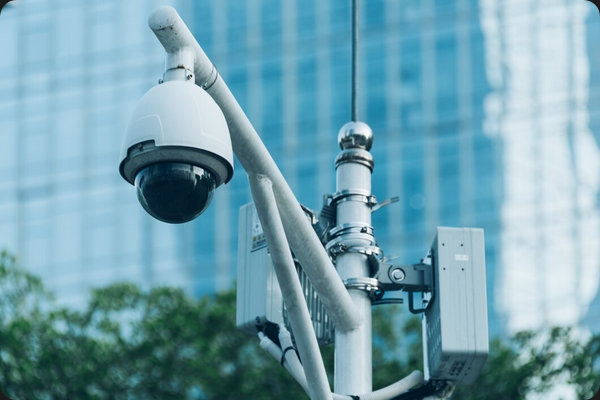
Security isn’t about cameras on a wall. It’s about awareness, response, and reliability. Most homes fail at security because systems are added as gadgets, not installed as infrastructure.
Smart security fixes that — when it’s done correctly.
Why Traditional Home Security Falls Short
Basic alarms and standalone cameras give a false sense of safety.
Common problems include:
-
Cameras that go offline during outages
-
Delayed or missed alerts
-
Poor night visibility
-
Exposed cables that can be cut
-
Systems that stop working when Wi-Fi fails
Security should never depend on luck.
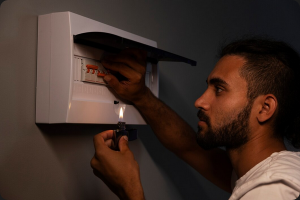
What Smart Security Actually Means
A smart security system is integrated into your home’s electrical and network backbone — not plugged in as an afterthought.
It allows you to:
-
Monitor your home in real time from anywhere
-
Receive instant motion and intrusion alerts
-
Automate responses to security events
-
Record footage securely and reliably
-
Integrate lighting, alarms, and access control
When one system detects a threat, others react automatically.
Cameras Alone Are Not Security
Here’s the hard truth: cameras don’t stop intruders — systems do.
Real protection comes from:
-
Motion detection linked to lighting
-
Cameras integrated with alarms
-
Timed and automated perimeter lighting
-
Entry sensors connected to instant alerts
This layered approach deters threats before damage happens.
Electrical Quality Is the Backbone of Security
Most security failures are electrical failures.
Poor installation leads to:
-
Power drops
-
Camera resets
-
Dead zones
-
Overheated adapters
-
Fire risks
Professional electrical work ensures:
-
Stable power supply
-
Surge protection
-
Proper grounding
-
Hidden, protected cabling
If the power isn’t reliable, the security isn’t real.
Smart Security That Works During Power Outages
Power loss is when most break-ins happen.
Smart systems can include:
-
Backup power for cameras and routers
-
Battery-supported alarms
-
Failover internet connectivity
-
Automated outage alerts
Your home stays protected even when the grid fails.
Indoor Security Without Invading Privacy
Security doesn’t mean watching everything all the time.
Smart indoor systems allow:
-
Zoned monitoring
-
Schedule-based activation
-
App-controlled camera access
-
Temporary disarming when you’re home
Protection when you need it. Privacy when you don’t.
Outdoor & Perimeter Protection That Thinks Ahead
Your first line of defense should be outside the home.
Smart perimeter security includes:
-
Motion-activated floodlights
-
Smart gates and access control
-
Night-vision cameras
-
Automated alert zones
Intruders should never reach your door unnoticed.
Clean, Hidden Installations Matter
Exposed cables are an invitation to failure.
Professional installs mean:
-
Concealed wiring
-
Secure camera mounting
-
Weather-rated outdoor components
-
Tamper-resistant power routes
A system you can’t see is harder to disable.
Why Professional Installation Makes the Difference
DIY systems often work — until they don’t.
Professional security installation ensures:
-
Correct camera placement
-
Proper coverage angles
-
Network stability
-
Scalable future upgrades
-
Compliance with safety standards
Security should be reliable, not experimental.
